His work for Syrians
Psychosocial support for Syrians displaced by war, 2013 to 2017.
The response
As the war in Syria displaced millions, Majd turned his practice toward Syrian refugees in neighboring countries. He trained practitioners and caregivers in Turkey, Lebanon and Jordan, and helped develop the Syrian American Medical Society’s mental health programs for refugees and survivors of detention in Lebanon and Jordan.
After visiting refugee settlements in Lebanon in 2013, he concluded that the need there was greatest.
The institute
Majd founded the International Institute for Psychosocial Development to bring community-based psychosocial support to Syrian refugees in Lebanon. Its mission was “to achieve individual self-worth and affirm its role in building self, family and the community.”
- Refugees serving refugees. The institute recruited Syrian refugees with backgrounds in psychology, social work, sociology, education and child development, trained them in its methods and employed them as its practitioners.
- Assessment first. Every program was grounded in documented need, through psychological well-being assessments of Syrian refugees.
- Group programs. Group therapy for mothers, for children and for people injured in the war, with speech therapy for children.
- Centers. Two centers in Lebanon serving people of all ages and backgrounds, and a third, furnished and staffed in Arsal, a border town hosting more than 150,000 refugees, awaiting funds to open.
18,000+Syrian refugees assessed by the institute
The assessments made Majd a sought-after voice on the psychosocial needs of Syrian refugees, and he was invited to speak at international panels and forums.
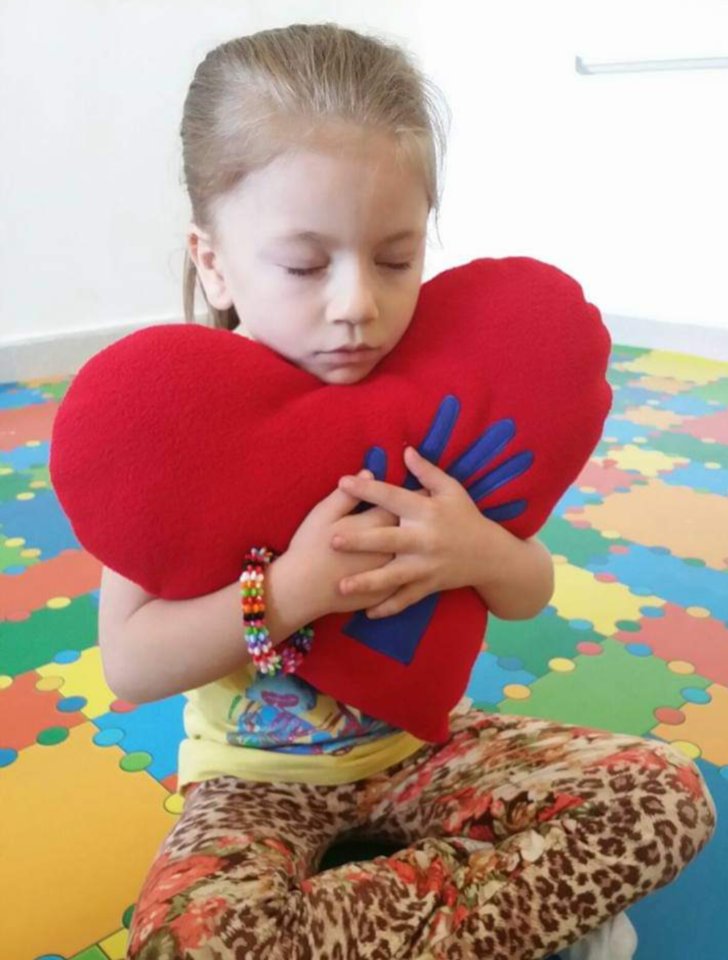
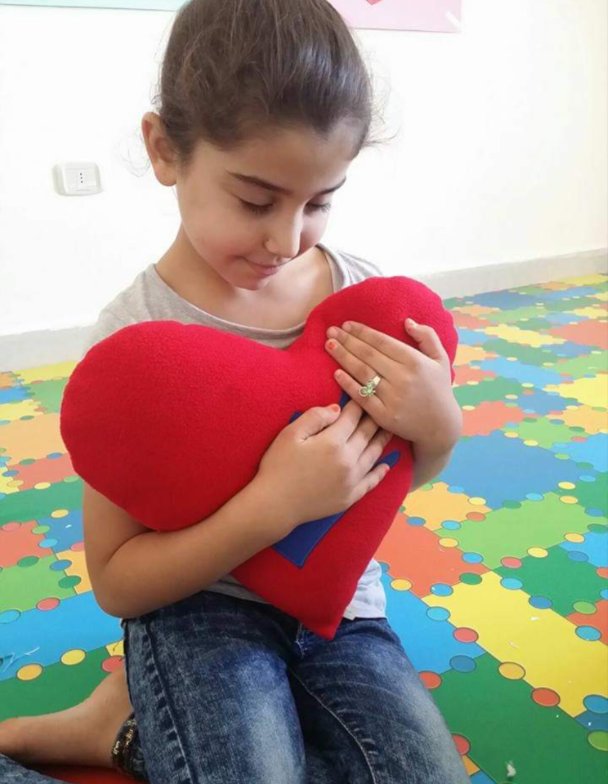
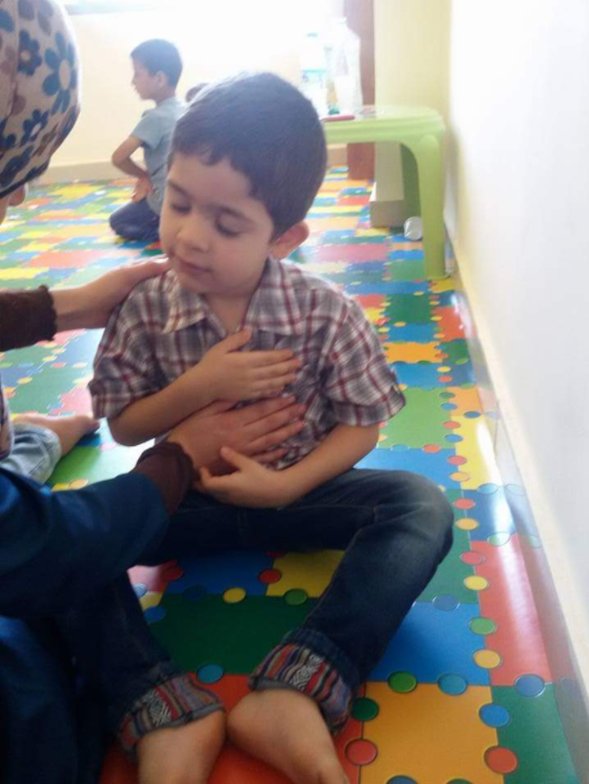
Children at the institute’s centers in Lebanon.
Recognition
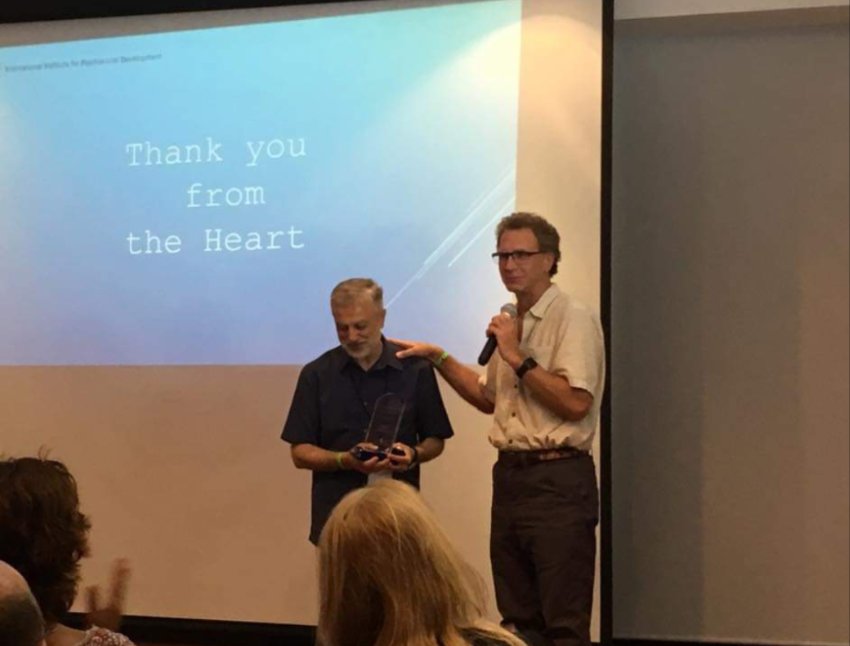
In December 2016 the HeartMath Institute presented the institute with its Humanitarian Heart Certificate of Appreciation, for heartfelt service and dedication to refugees.
His legacy in Syria
Syrian physicians, psychotherapists and social workers whom Majd trained, supervised or mentored have gone on to lead psychosocial programs of their own. Organizations and initiatives have been founded in his name, and community-based psychosocial work grounded in his approach is now under way across Syria.
Practitioners he first worked with as displaced refugees are now contributing to recovery in their own country. This is what his model was designed to do.
Majd held a long-term vision of a Syria free of oppression, where Syrians would attain justice and Syrian practitioners could return to lead recovery in their own country.
The foundation is now working to realize that vision.